
The Power of The Bishop Pair
Englisch vs Steinitz, 1883.
A masterclass.
I am The_Knightmare_Bro, back with another educational article for you!
This game between Englisch and Steinitz is a classic. What should Steinitz do? He has the bishop pair. They say you should open the position when you have the bishop pair. But the position is already open.
In endgames such as these, a common rule is to restrict the pieces. Take away the squares from the opposing bishop and knight.
The way to do this is to play:
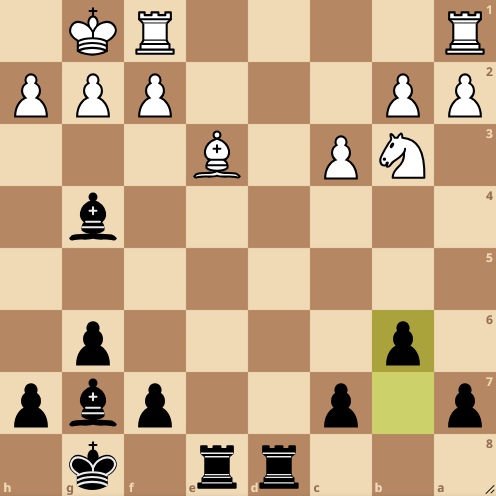
17.b6!
A very instructive move. Steinitz will place his pawns on the same color as the opposing bishop (dark squares). The reason this is so effective is that is makes the bishop have less squares to move around on. This reduces it's mobility, which makes it awkward for White to defend as their pieces don't have much scope. The move also sets up ideas of c5 and a5-a4.
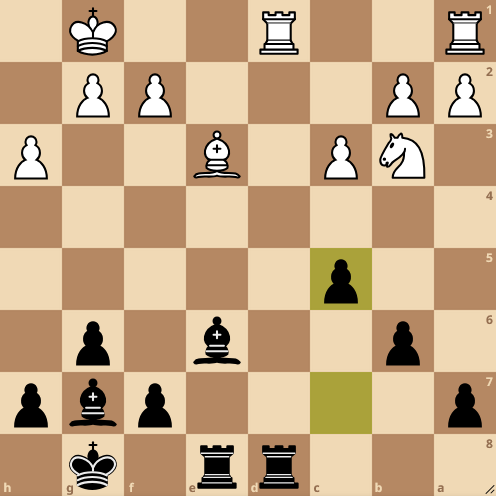
19.c5
Steinitz continues his plan. Now the d4 outpost for the knight or bishop is taken away. d4 and c5 have been blocked off from use by White's pieces. Taking away their squares. There are no objects of attack for Steinitz, so he must first weaken the opposing pieces.
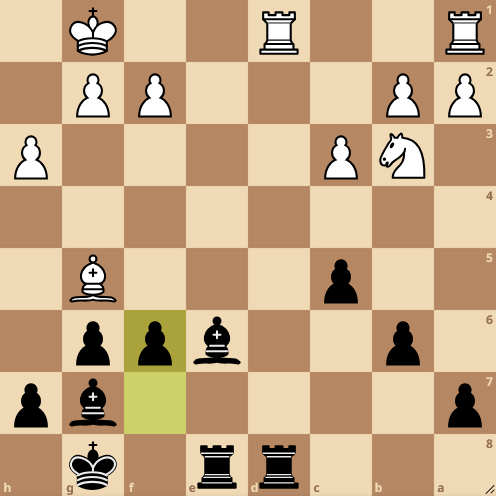
20.f6
Simply following the plan of blocking the dark square bishop. You may notice it also blocks the g7 bishop, but this is temporary as f5-f4 would liberate it. A cage is slowly being formed for this bishop.
Exchanging rooks is bad because it cedes control of the d-file. The d-file may not have an entry point yet, but if the bishop and knight could be moved from the defense of d2, then that square could be a nice entry point. So we hold on to the file.
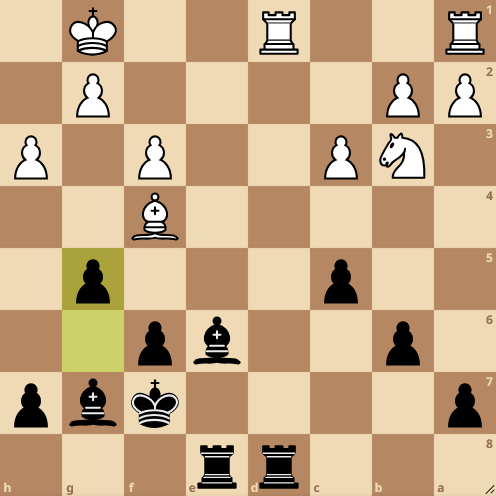
22.g5
You can see that Steintz is putting all his pawns on dark squares. Now the bishop is getting pushed back. Englisch played Be3. If he played Bc7 then Steinitz would have to exchange rooks.
But Steinitz would have the strong plan of h5-h4 to fix the g2 pawn as a target in the future. Also the Bc7 bishop could end up being too committal as it forces the bishop to stay on the h2-b8 diagonal, where it is not able to defend the queenside. So Englisch played Be3.
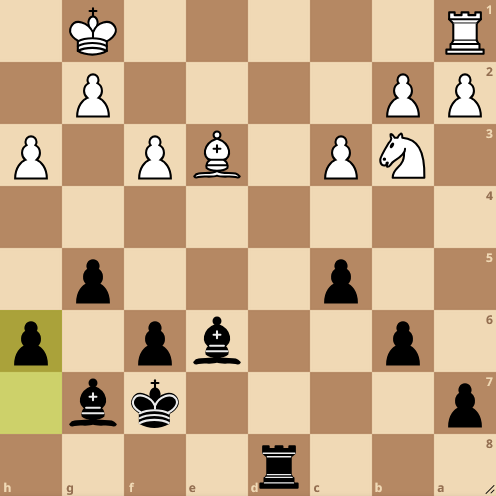
24. h6
Steintz defends g5, so he can play f5-f4 to further push the bishop back. Computer recommends h4 from Englisch as an interesting defense. This would stop the f-pawn advance as the g-pawn could be won. After takes, then Englisch could play Kf2 and Rh1 to win the pawn back. Steinitz would play a5-a4-a3 for Queenside counterplay. But this is active defense,
Englisch chooses to hold a defensive line. The h4 line could be risky due to Queenside counterplay from Steinitz.
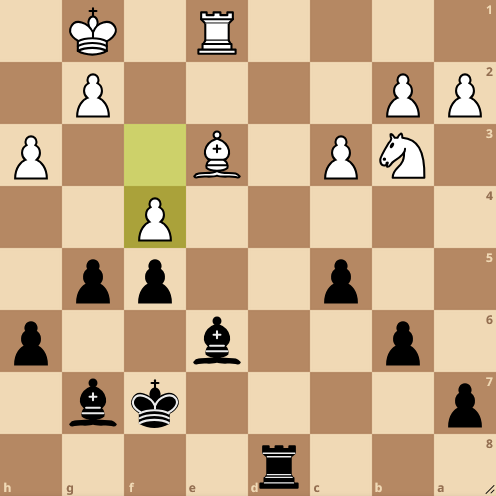
25. f5 26. f4
Englisch stops the f-pawn advance. The reason is because if the bishop were to be pushed back, it would have the bad choice of f2 or c1. On f2 it no longer defends the d2 square which could be contested with a5-a4 to kick the knight. But on c1, it would force the rook to stay on the back rank to avoid a fork with the king, and would also be passive.
It would force the knight to go to d2 after a5-a4, and then the bishop would be blocked. The position would become dangerously passive.
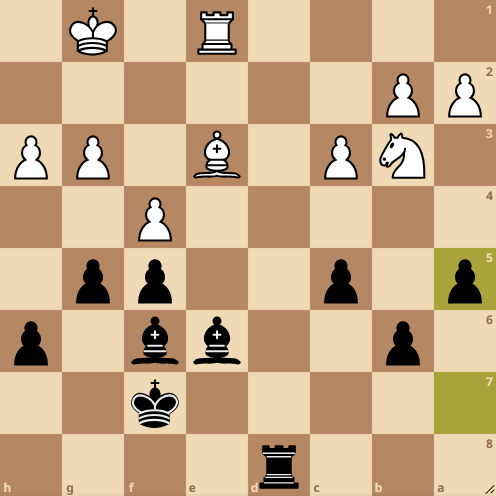
27.a5
The strong pawn march, pushing the knight back. Steinitz is now winning. The knight can only move to c1 as otherwise the a-pawn would be taken by the e6 bishop. The bishop is now forced to sat on e3 to avoid a rook infiltration. Englisch's pieces are all tied up.
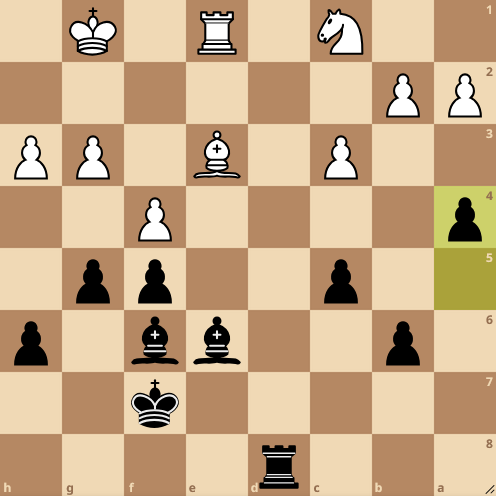
28.a4
Steintz now threatens a3, bxa3 and then Bxc3, which would give him a passed pawn. This forces Englisch to play a3, which is undesireable as it creates a weak square on b3, which could be used by the King later.
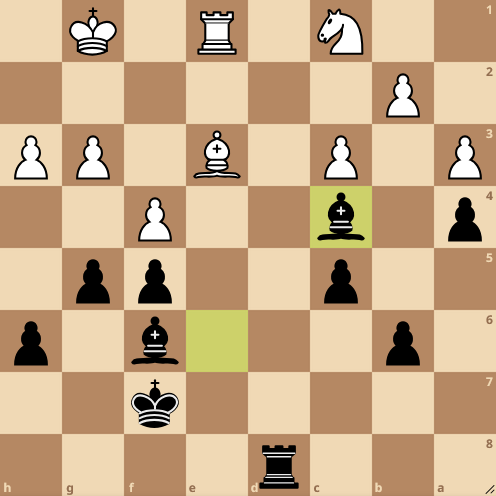
29.Bc4
This is strong as it ties up the knight.
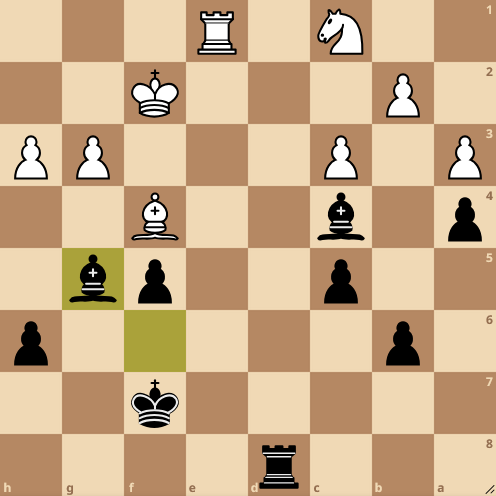
30. gxf4 31. Bxf4 Bg5
Steinitz wants to trade off the defender of the d2 square and get into a pure good bishop vs bad knight endgame.
I hope you enjoyed this article and don't forget to like the blog.
And see you next time.
You may also like
 GM Avetik_ChessMood
10 Things to Give Up to Enjoy Chess Fully
Discover how embracing a lighter mindset can help you enjoy chess again and achieve better results. ChessMonitor_Stats
Where do Grandmasters play Chess? - Lichess vs. Chess.com
This is the first large-scale analysis of Grandmaster activity across Chess.com and Lichess from 200… The_Knightmare_Bro
In 2019 Magnus Carlsen played a masterpiece.
Carlsen vs Rapport, 2019 TotalNoob69
The REAL value of chess pieces
... according to Stockfish The_Knightmare_Bro
The Power of Opposite Colored Bishops
Hort vs Fischer, 1970. CM HGabor